We use two cameras in our classroom, Canon Rebels:

And Pentax K1000's:

Both cameras are functionally similar, as far as having a lens, a viewfinder, and manual controls. The Canons are modern digital single lens reflex (SLR) cameras, complete with autofocus and automatic exposure. The Pentax is old and reliable, fully manual with no automatic features whatsoever.
Neither of these cameras should pose too great a challenge to an individual with mobility issues, assuming they have adequate control of their arms. The Canon is lighter and easier to use because of the automatic features, but the Pentax is less complex and requires little effort to use.
When we send students out to photograph, they always go out in pairs or trios, being as we don't have enough cameras for every student anyhow. Pairing students properly can help make sure a student can achieve the photographs they plan for and receive aid from a peer when necessary.
What if the students lack access to their arms?
There are a few instances where students arms will be occupied providing mobility, such as when using forearm crutches commonly used for long-term disabilities such as polio.
For a student in this position, the first adaptation I would propose would be camera chest-harness, to stabilize the camera at their waist and neck when walking. This would help students maintain balance, reducing the risk of injury to the student due to the camera swinging around.
If a student on crutches can stabilize themselves to stop and photograph, this harness should be an adequate accommodation.
For students that have limited use of their arms, there are a few more adaptations to consider:
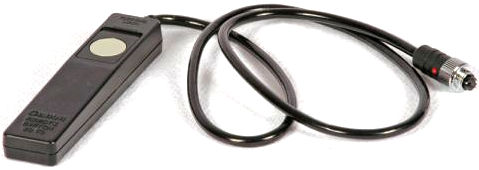
Tripods: Because our students are sent in pairs, you can pair your student with a peer who can help carry a tripod. With a good, sturdy tripod, the student can compose their images with added stability. In addition to the tripod, the camera can have a shutter release cable attached, which allows students to take a photograph with a small cable in their hand. Though the tripod may feel like a constraint to those without mobility disabilities, I feel it serves as an advantage for those that lack the stability or use of their arms.
Directorial Photography: Does the photograph have to be physically taken by a student for it be theirs? I believe in an approach that I'll call directorial photography. In this case, students can direct a peer or aid in what composition they are interested in creating. Shyness and communication are the most direct barriers in a situation like this, but an accommodation like this can provide an avenue for all students to participate in the making of images, even those with no vision.
There may be other adaptations that function in a similar fashion. There are small chest-mounted or helmet-mounted digital cameras available, but these do not allow for the use of traditional film formats– a must in a photography classroom.


No comments:
Post a Comment